What Is Good To Eat And Drink When You Have Diarrhea
People suffering from diarrhea need to eat smaller meals throughout the day than three large meals. Diarrhea (loose, watery stool) can be caused by food poisoning, radiation or chemotherapy.
These tips can help you control diarrhea.
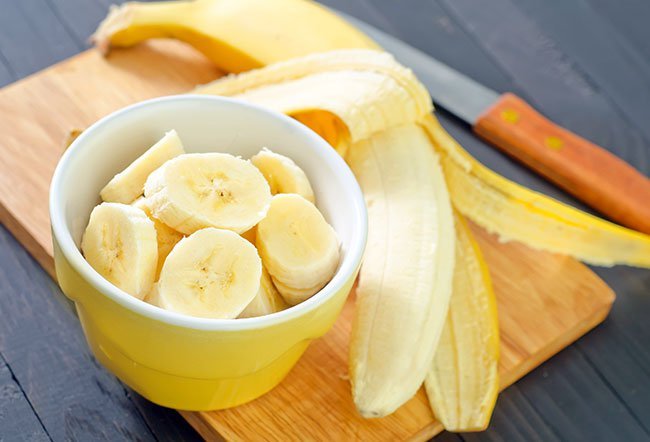
- Diabetic patients with diarrhea should eat plain white rice, applesauce, bananas, and white toast if they are experiencing active episodes of loose stool
- To replace fluids lost due to diarrhea, drink plenty of water and low- data-preserver-spaces=”true”>sugar drinks
- Clear liquids and electrolyte beverages like water, clear fruit juices, coconut waters, oral rehydration options, and sports drink are recommended. These drinks replenish fluids and Electrolytes within the body.
- Your diet can include plain yogurt, buttermilk, and kefir.
- To replace it, eat foods rich in potassium and sodium minerals Diarrhea can cause diarrhea.
- Apricots and avocados are high-potassium foods.
- High-sodium food include broth or stock, canned soups, salty snacks like chips, crackers, pretzels, and seasoned rice.
- Applesauce can be a great way to restore your stomach’s health. It is easy to digest and still contains important nutrients like pectin (a type fiber), potassium, and electrolyte to keep fluid levels balanced.
- Vegetables such as spinach and carrots are easier to digest. They’re great in egg scrambles and broth-based soups. Eggs are an easy-to-digest option and a great way to get your protein without feeling bloated.
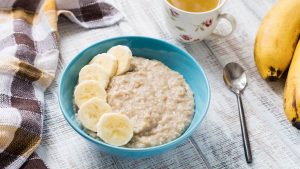
- Whole grains can be used to soothe stomach problems and prevent future ones. Oats’ soluble fiber draws water into the digestive tract and helps move food throughout your body.
- You can make ginger hot tea by grating fresh ginger in some warm water and adding lemon juice. Ginger is anti-spasmodic, and can be used to soothe an upset stomach.
- When you are sick, chicken soup is a great choice. Lean chicken (other options include white fish, turkey, or oven boiled egg) is a great option for those who are ill. It provides a good source of protein but not too much fat which could lead to a slowdown in your body’s ability to absorb nutrients. After fighting an infection, protein is essential for body repair and recovery.
What foods and drinks should you avoid during diarrhea?
Clear liquid diet may be used by people with diarrhea to help them for up to a day. Here are some foods and drinks to avoid during diarrhea.
Grains
- Whole-grain whole-grain foods high in fiber (bran, whole wheat bread, whole wheat pasta and whole-wheat noodles, whole grain cereals, wholegrain crackers, brown rice, and whole-wheat cakes)
Fruits
- Raw fruits without skin, juices with pulp and prune juice, as well as canned fruit in heavy sugary syrup
Vegetables
- Raw vegetables, vegetables with skins or seeds
- Gas forming vegetables ( Corn, dark greens, broccoli and cauliflower, as well as beans, peas and beans)
Dairy
- Full-fat dairy products include whole milk, cream, cream, sourcream, ice cream, and cheese
Proteins
- High fat and spicy meats (fried or fried meats, bologna and bacon, hot dog), nuts, seeds, and chunky peanut butters
Beverages
- Caffeinated or sugary beverages (coffee and tea, as well as Alcohol, and drinks that include sugar alcoholics like xylitol, or sorbitol ).
Other
- Desserts, sweets, and greasy foods
- Hot sauces, peppers, and strong spices are great for spicy foods
- Sugar alcohols are food and beverages that contain sugar alcohols. These sugar alcohols are often found in sugar-free snacks bars, gums, and candies. Look at ingredient lists for sugar alcohols.
Why does diarrhea develop?
Diarrhea is when the stool contains more water than normal. Your digestive tract should be healthy. Food from the stomach, small intestines and colon will pass to your colon if they are well-balanced. The colon absorbs water from the rest of the waste matter, until the stool is created. If there is too much water absorbed, or if processed foods move through the gastrointestinal tract quickly, the stool will not be solid and will pass in a loose, or watery, form. There are many reasons your colon may not absorb enough water, or the food digested too fast through the intestines. Here are the most common.
- Consuming food and water contaminated with bacteria and bacterial toxicities
- Consuming food or drinking water that has been contaminated with parasites
- Inflammatory Bowel Disease ( IBD) that causes gastrointestinal problems
- Viruses , Rotavirus and Flu
- There are some foods that can trigger allergies or sensitivities. A classic example is lactose intolerance.


