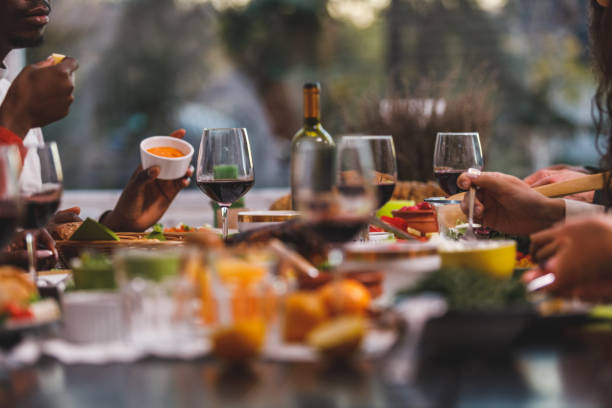
As the holiday season approaches, many of us eagerly anticipate indulging in the delightful array of cheeses, wines, and beers that accompany festive gatherings and celebratory meals. However, amidst the merriment, it’s essential to take a moment to appreciate the unsung heroes behind these beloved culinary delights: fungi.
Fungi, including molds and yeasts, play a crucial role in the creation and flavor development of some of our most cherished foods and beverages. From the tangy notes of aged cheese to the complex bouquet of fine wine, fungi leave their mark on our palates in ways both subtle and profound.
Let’s explore the fascinating world of fungi and their contributions to the gastronomic pleasures of cheese, wine, and beer.
The Magic of Cheese
Cheese, with its myriad textures, flavors, and aromas, owes much of its diversity to the work of fungi. One of the key players in cheese production is the mold known as Penicillium. While the thought of mold might typically evoke images of spoilage, certain strains of Penicillium are intentionally introduced into cheese during the aging process to impart distinctive characteristics.
Take, for instance, the iconic blue cheeses like Roquefort or Gorgonzola. These cheeses develop their signature blue veins thanks to the introduction of Penicillium roqueforti or Penicillium glaucum. These molds are introduced either through the addition of spores to the milk or by piercing the cheese to allow air to enter, grow, and spread throughout the cheese, imparting their unique flavors and textures.
Similarly, other types of mold contribute to the rinds of certain cheeses, influencing their aroma and taste. Camembert and Brie, for example, owe their characteristic soft, velvety rinds to molds like Penicillium candidum, which flourish on the surface of the cheese as it matures.
Wine: A Product of Yeast’s Work
When we raise a glass of wine in celebration, we’re toasting not only the craftsmanship of the winemaker but also the humble yeast that transformed grape juice into this beloved beverage. Yeasts, particularly strains of Saccharomyces cerevisiae, are responsible for the fermentation process that converts sugars in the grapes into alcohol.
During fermentation, yeasts metabolize sugars, producing alcohol and carbon dioxide as byproducts. This process not only creates the alcoholic content of wine but also contributes to its flavor profile. Different strains of yeast produce various compounds during fermentation, influencing the aroma, flavor, and mouthfeel of the finished wine.
Moreover, the concept of terroir, which encompasses the environmental factors that influence grape growth, also extends to the microorganisms present in the vineyard and winery. Indigenous yeast strains, naturally present on grape skins and in the winery environment, can contribute unique characteristics to the fermentation process, imparting a sense of place to the final wine.
Brewing Brilliance: Yeast’s Role in Beer
Beer, another beloved libation enjoyed during holiday festivities, owes its existence to the transformative powers of yeast. Just as in winemaking, yeast is responsible for fermenting the sugars in the brewing process, resulting in the creation of alcohol and carbonation.
The choice of a yeast strain in brewing can profoundly impact the flavor, aroma, and overall character of the beer. Ale yeasts, such as Saccharomyces cerevisiae, ferment at warmer temperatures and produce esters and other flavorful compounds that contribute to the fruity and complex profiles typical of ales. In contrast, lager yeasts, including Saccharomyces pastorianus, ferment at cooler temperatures, resulting in a cleaner, crisper taste favored in lagers.
Beyond the basic fermentation process, some beer styles, like sour beers, rely on specific strains of wild yeast and bacteria to achieve their distinctive tartness and funkiness. These microorganisms, often introduced through spontaneous fermentation or inoculation with cultures like Brettanomyces, add layers of complexity to the final product.
Embracing Fungal Diversity
As we gather with loved ones to savor the delights of cheese, wine, and beer this holiday season, let’s take a moment to appreciate the incredible diversity of fungi that contribute to our culinary experiences. From the mold that gives blue cheese its character to the yeast that transforms grape juice into wine and grain mash into beer, fungi enrich our lives in ways both gustatory and cultural.
Moreover, let’s also recognize the importance of biodiversity and conservation in preserving the microbial ecosystems that sustain these culinary traditions. As we celebrate the flavors of the season, let’s do so with gratitude for the fungi that make it all possible.
So, as you raise a glass of wine, savor a wedge of cheese, or enjoy a pint of beer this holiday season, remember to thank the fungi for their invaluable contributions to our culinary heritage. After all, behind every delectable bite and satisfying sip lies the magic of these humble yet remarkable organisms. Cheers to fungi, the unsung heroes of the holiday table!